"How many pages and illustrations does a picture book need?"
The standard is 32 pages, with roughly 12–16 illustrated spreads plus the cover. That structure is built around how books are printed, so working with it saves money.
Maybe it's a bedtime story you made up, or a book you've wanted to write for years. We handle the story edit, custom illustration, layout and publishing — and you approve your main character before a single page is painted.
Flip through a sample picture book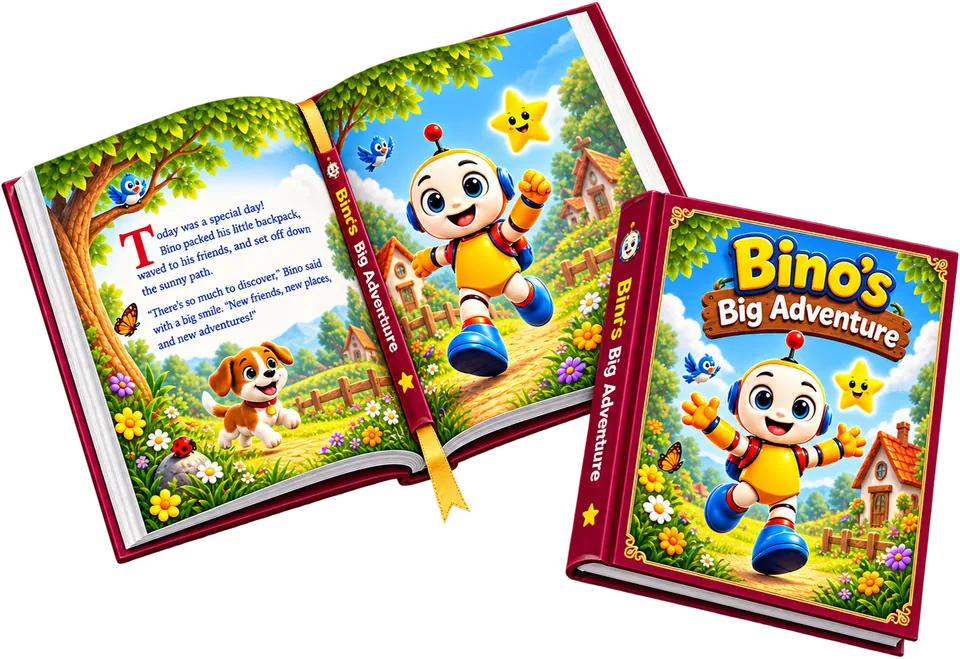
The standard is 32 pages, with roughly 12–16 illustrated spreads plus the cover. That structure is built around how books are printed, so working with it saves money.
Very possibly — and that's fixable. Most picture books land under 1,000 words, because the pictures carry half the story. Our story edit trims without losing the heart of it.
You don't need to find one yourself. Self-published picture books need an illustrator; traditional publishers usually pick their own. We match you with an artist whose style fits your story and age group.
It can be orderable by them. Libraries and schools buy through wholesale catalogues such as Ingram, so we set up IngramSpark distribution with library-friendly metadata. Whether they stock it is their decision — we'll never promise that.
Pick the full package or only the parts you need.
Age-appropriate vocabulary, rhythm for reading aloud, page-turn moments and a spread-by-spread plan (the "storyboard").
Character sheets first, then full spreads in a style that suits your story — watercolour, bold digital, whimsical, cartoon, mixed media or minimalist.
Text placed to work with the art, a wraparound cover featuring your character, and print files for colour printing.
ISBNs, Amazon KDP and IngramSpark setup so your book is available online and orderable by bookstores and libraries.
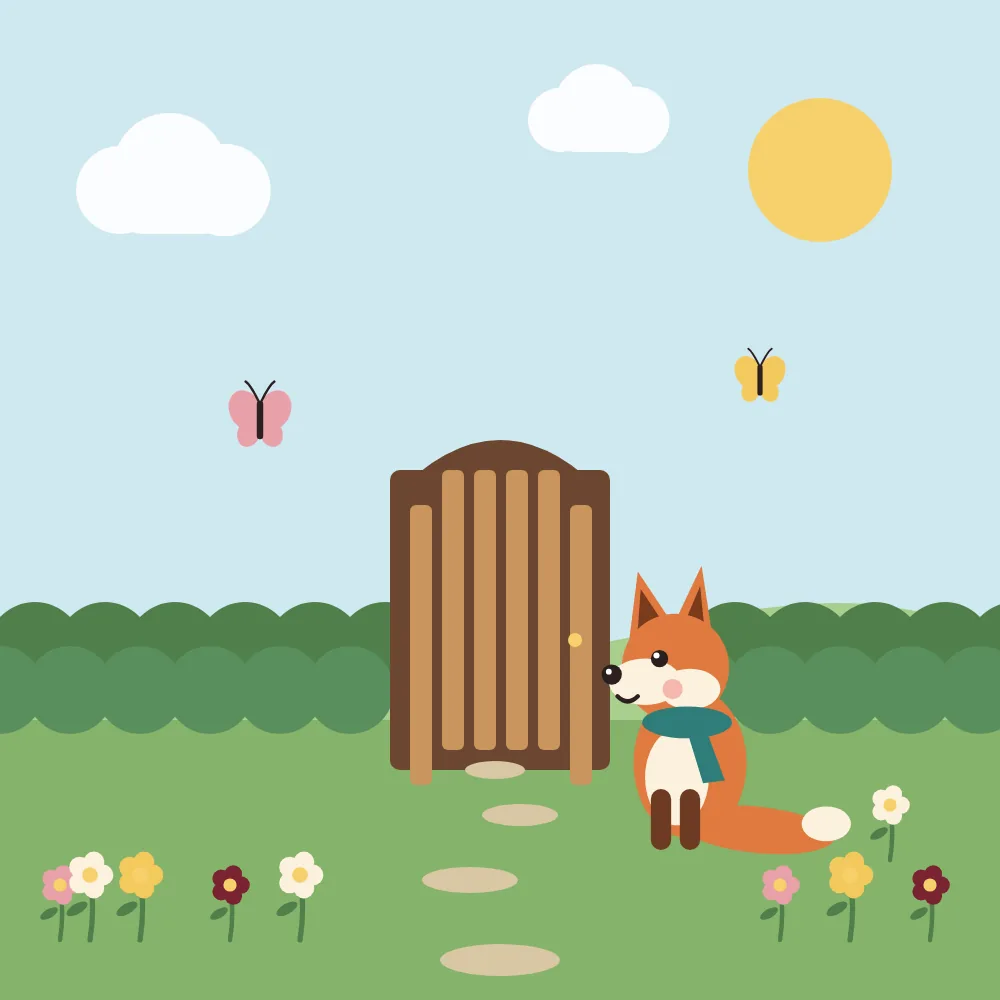
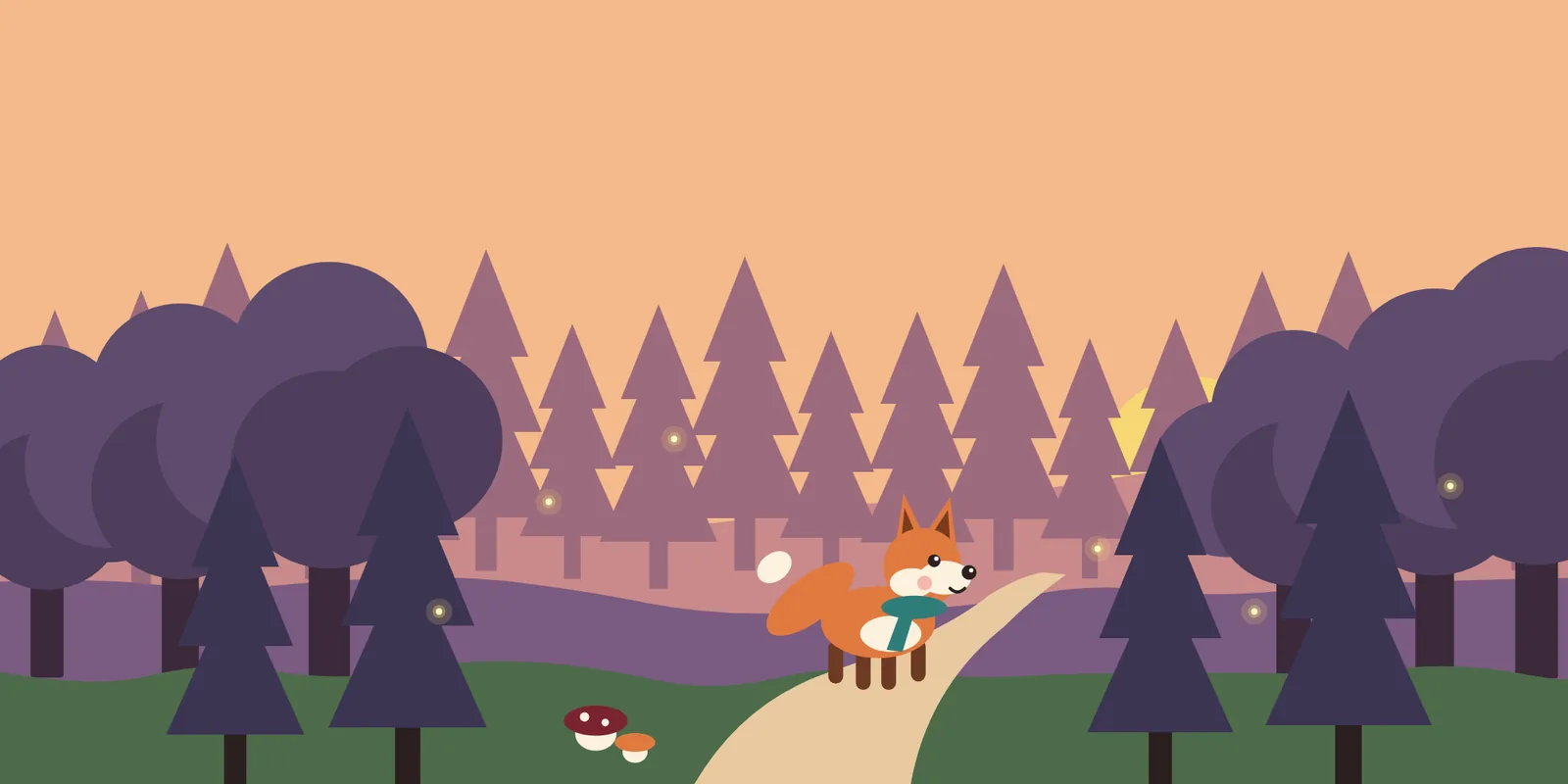
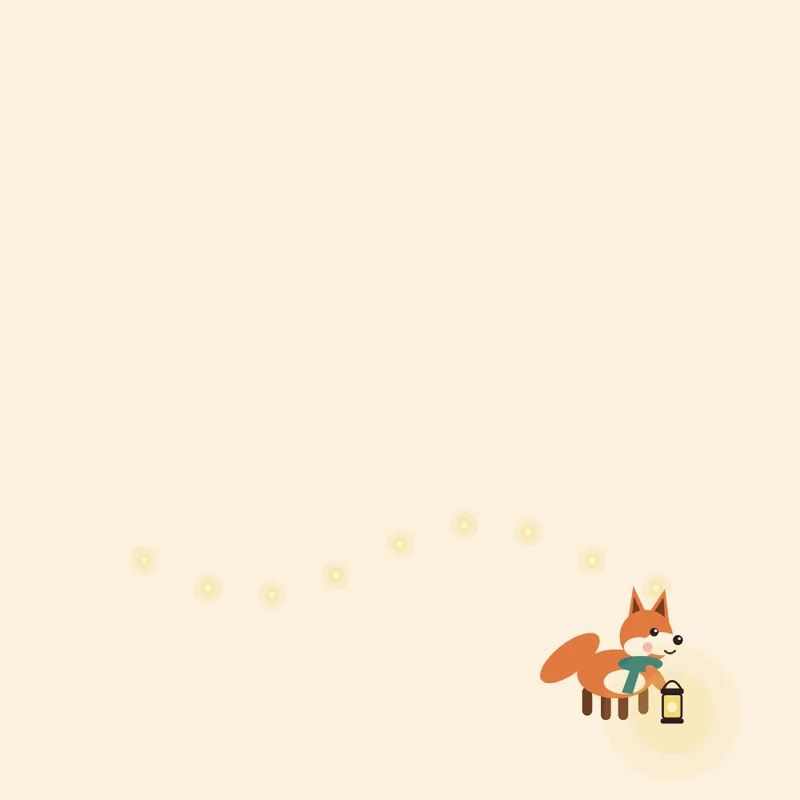
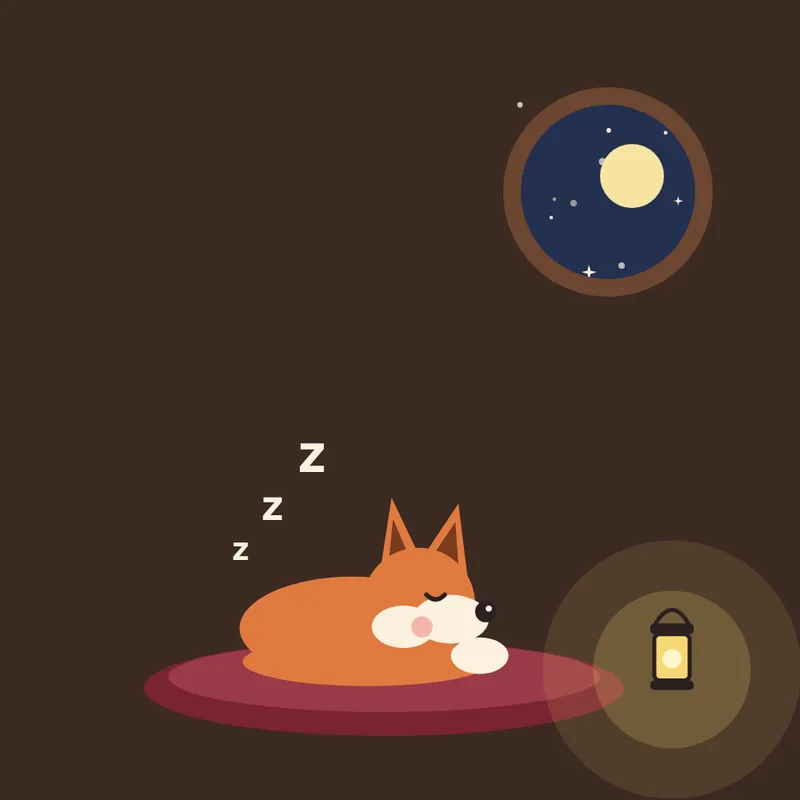
This is what you're working toward: a 32-page-style story where text, single pages and full spreads work together from cover to cover.
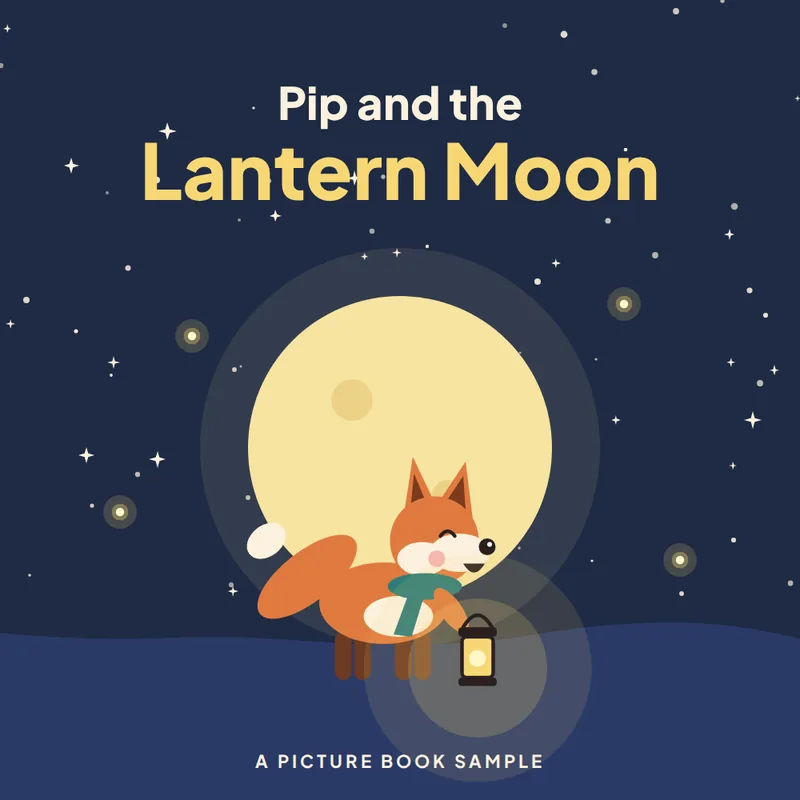
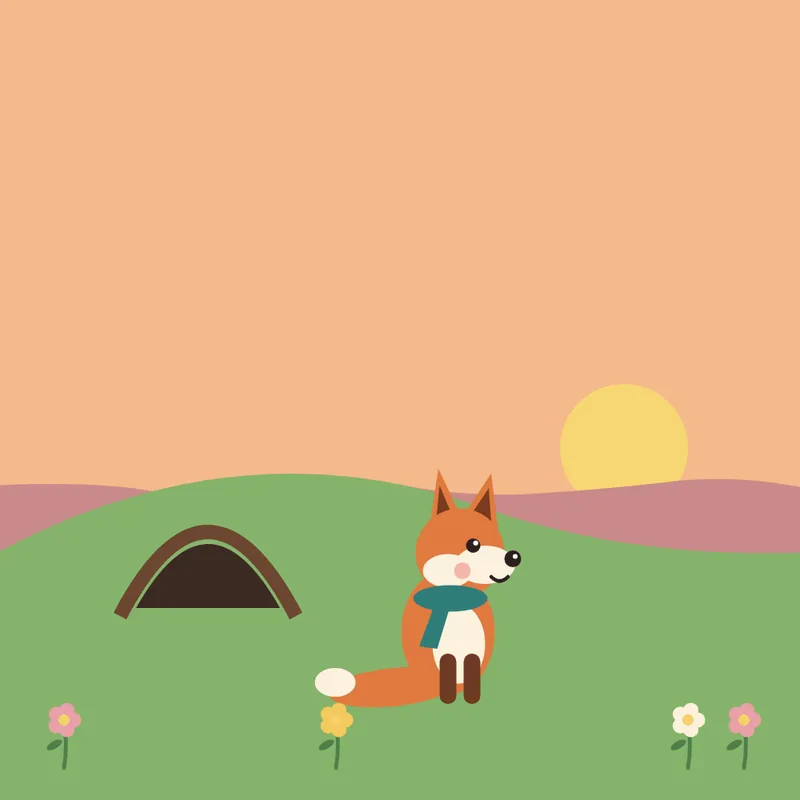
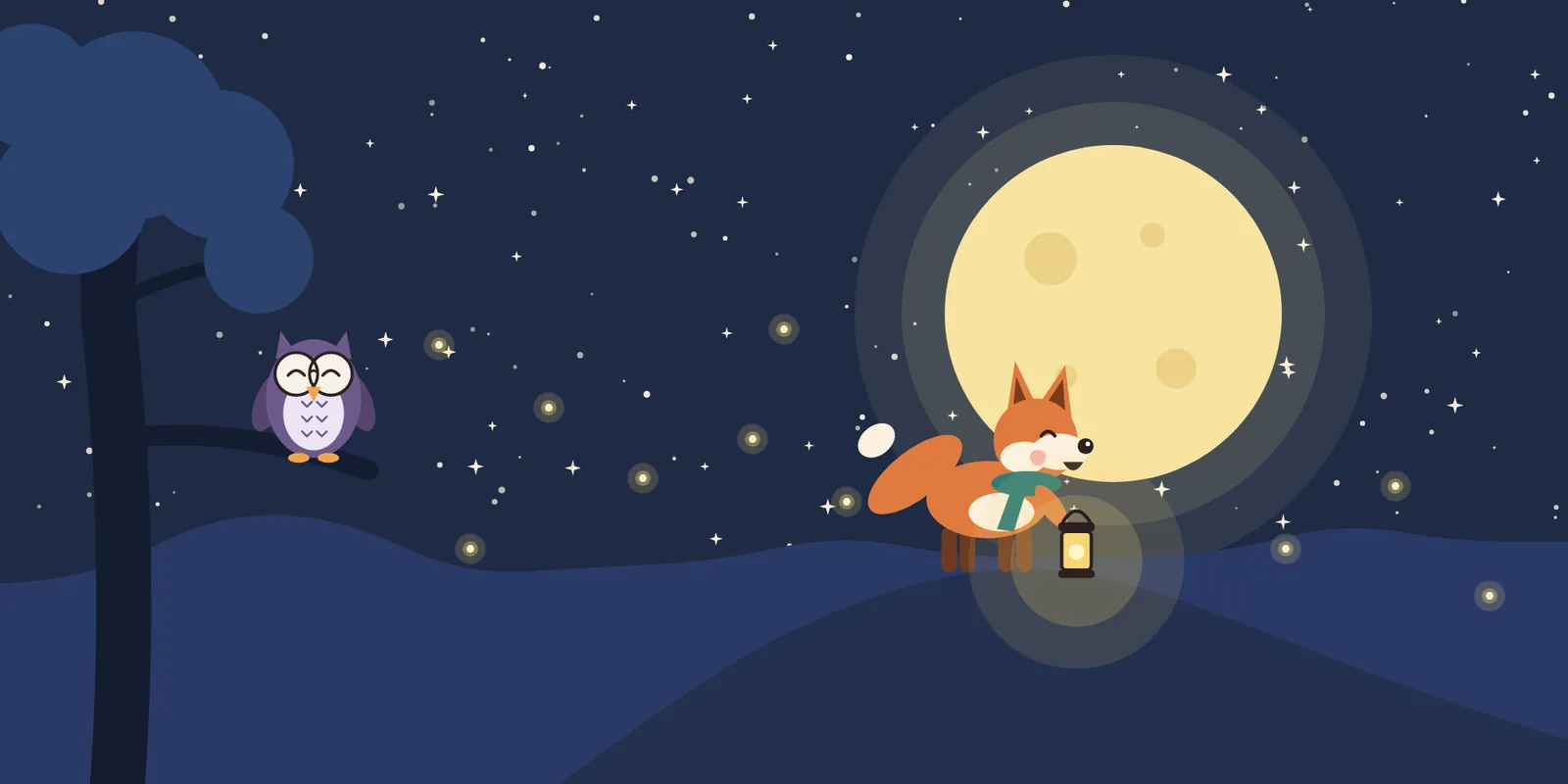
At the edge of Whispering Woods lived a small fox called Pip, who was afraid of only one thing: the dark.
Click the pages, use the arrows, swipe, or press ← → to turn.
Single-page scenes, two-page spreads and the character sheets that keep your hero consistent on every page.
Choose a format and enter your word count to see typical page counts, illustration numbers and whether your story fits.
The industry standard. Text and art tell the story together — leave room for the pictures to do some of the work.
Printing: Choose a print format, paper quality, and page count that suit your book and your readers.
Plan my book spread by spreadMost 32-page picture books take 10–16 weeks from approved brief to publication.
We read your manuscript, suggest edits and map the story across 32 pages.
Your illustrator creates character sheets and a sample spread for your approval.
Sketches for every spread, then final colour art and text layout, with your feedback at each step.
Wraparound cover, final proof, and setup on Amazon and IngramSpark.
Illustration is the biggest part of the budget. The number of spreads, the art style and whether you need the story edited decide most of the cost. You'll get a fixed quote before any work starts.
Authors are right to be careful — the industry has plenty of companies that over-promise. Here's exactly how we work.
Your KDP, IngramSpark and ACX accounts are created in your name, so royalties are paid straight to you.
You pay in stages tied to work you have seen and approved, never the whole fee up front for large projects.
Copyright, files and ISBNs (when you buy your own) belong to you. You receive editable source files.
Anyone who guarantees bestseller status or sales is guessing. We give you honest forecasts and the reasoning behind them.
A plain-English agreement lists deliverables, revision rounds and dates, so nothing is left to memory.
We are an independent author-services team. We never claim to be Amazon, KDP or any retailer.
“I had a story in my heart for years but no idea how to make it a real book. The team guided me through every step — from my rough draft to my daughter opening the first printed copy.”
“The illustrator captured my character exactly as I imagined him — but better. I asked for warm and whimsical and got something that made me cry.”
“I published a board-book-style story as a gift for my grandchildren. Friends started asking for copies, so we put it on Amazon — it's sold over 300.”
A fully illustrated 32-page picture book usually takes 8–14 weeks of illustration after the character is approved, plus a few weeks for layout and publishing.
A near-final manuscript is best, because the text shapes the illustrations. If yours needs work, we edit it first.
Yes. You see samples in several styles and we match you with an illustrator whose natural style fits your story.
Colour costs more than black and white, but a 32-page picture book in premium colour prints for a few dollars per copy on print-on-demand, so it can still be priced competitively.
Picture books sell well as hardcovers, especially as gifts, but paperbacks are cheaper for readers. Many authors publish both. We'll show you the price and royalty for each.
Your agreement gives you the rights to use the art in the book, its editions and its marketing. If you want merchandise rights too, we include them in the quote.
Share your manuscript and we'll plan your book spread by spread — free.
Tell us about your story and the child you're writing for. A children's book specialist will reply with a spread plan and fixed quote.
Prefer to talk it through?
Pick the question closest to your situation. You'll get a straight answer here — and you can take it further with your own AI assistant if you'd like a second opinion.
Still unsure? Ask a real consultant — it's free and there's no obligation.
Usually 300–800 words, and rarely more than 1,000. The pictures do much of the storytelling, so fewer words often make a stronger book.
Traditional publishers pay for illustration but are selective and slow, and they choose the illustrator. Self-publishing gives you control and speed but you fund the art. We'll help you weigh it.
Make it available through IngramSpark, with good metadata and a library-appropriate price and discount. Then approach local libraries directly — many support local authors.
Many readers and parents react badly to AI art, characters rarely stay consistent across pages, and copyright protection for AI images is limited. We don't use it.